Browse by:

CFP: Economics in the Era of Natural Computationalism and Big Data

There will be a Cosmos + Taxis sponsored panel so please submit your proposals to C+T’s editor David Emanuel Andersson. agent-based simulationArtificial intelligenceBehavioral economicscomplexitycomputational economicscomputational intelligencecosmos & taxisdata scienceeconometricsEconomicsexperimental economicsFriedrich Hayekhistory of economicsneuroeconomicson- line gaming experimentspolitical economySelf-organization

MARCIN MILKOWSKI RECEIVES THE IACAP’S SIMON AWARD

As reported in the Brains Blog we are most chuffed to have Marcin’s participation in Minds, Models and Milieux: Commemorating the Centennial of the Birth of Herbert Simon Cognitive sciencecomputational intelligenceComputer ScienceHerbert SimonMarcin MiłkowskiMinds Models and Milieux: Commemorating the Centennial of the Birth of Herbert SimonPhilosophy of mind

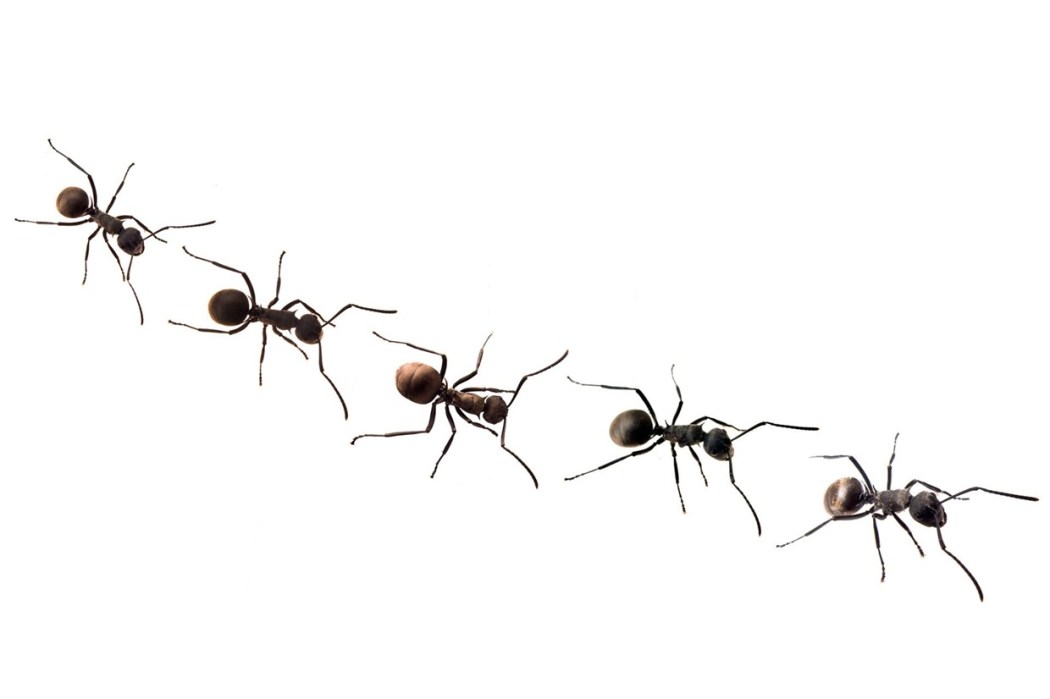
Embracing the Creativity of Stigmergy in Social Insects

One of the doyens of stigmergic computational intelligence. There is no master architect, nor even a supervisor in these colonies. Grassé has shown that the key information required to ensure the coordination of building actions performed by insects is provided by their previously achieved work: the architecture itself. Grassé coined the term ‘stigmergy’ from the Greek…

General theory of stigmergy: Modelling stigma semantics

New “review” paper in CSR. Artificial intelligenceComplex adaptive systemcomplexitycomputational intelligencedistributed cognitiondistributed knowledgeEmbodied cognitionEmergenceExtended MindExternalismmulti-agent modelingrationalismSelf-organizationsituated cognitionsocial epistemologySpontaneous orderstigmergic epistemologyStigmergySwarm behaviorSwarm intelligence

Ant wars

Here is a lovely excerpt from the one and only David Attenborough, the drama heightened by the music. Check out all things swarm related on this excellent website run by Simon Garnier of the Rutgers Swarm lab. antscomputational intelligenceDavid AttenboroughswarmSwarm intelligence

What Do Ants Know That We Don’t?

This from Wired. During the 130 million years or so that ants have been around, evolution has tuned ant colony algorithms to deal with the variability and constraints set by specific environments. Ant colonies use dynamic networks of brief interactions to adjust to changing conditions. No individual ant knows what’s going on. Each ant just…