Browse by:

Who is Big in Computing?

A collaborator, the very excellent Ted Lewis, looks at this question via network theory. More than 70 years into computing, Moore’s Law keeps on doubling performance of the basic engine of the post-industrial information age. Looking back at this incredible progress makes me wonder, “Who has had the biggest influence on computing since electronic digital…

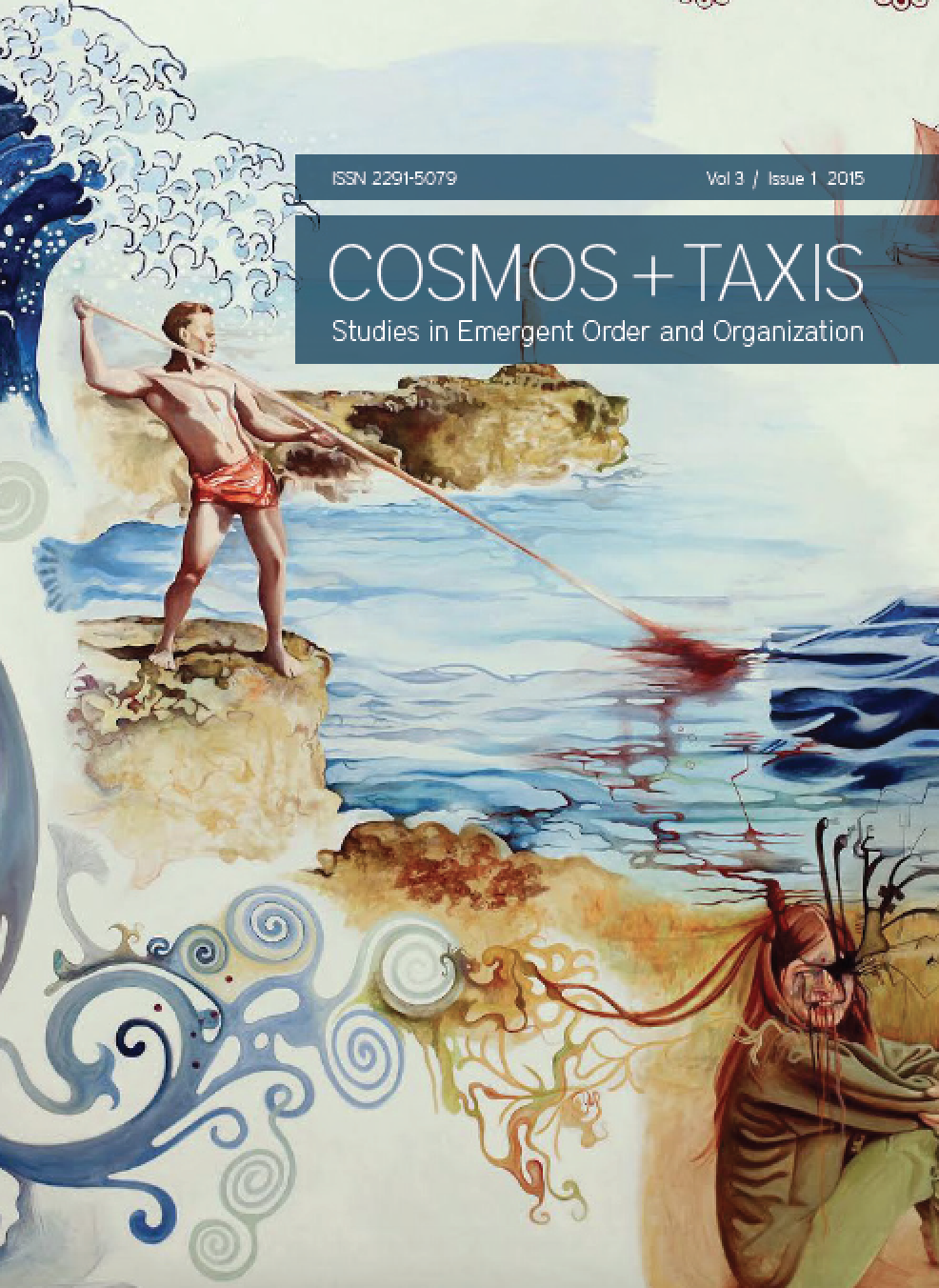
COSMOS + TAXIS 3:1

Latest issue Austrian Schoolcomplexitycosmos & taxisdemocracydistributed cognitiondistributed knowledgeemergent orderexistentialismFriedrich HayekLiberalismphilosophy of social scienceSpontaneous order

What is this “new” New Orleans?

Larry Blumenfeld reports: During a press conference at last year’s Jazz & Heritage Festival, Mayor Landrieu told me, “There is a way to organize culture without killing it.” Those words are either comforting or alarming, depending upon whom you ask. As David Freedman, the general manager of listener-supported WWOZ-FM (self-proclaimed “Guardians of the Groove”), told…

The Case for Teaching Ignorance

This in the NYT — H/T to Troy Camplin In a paper from a few years ago I had a section in a chapter in Hayek and Behavioral Economics that deals with this notion, a curtain-raiser to a more detailed examination. Taking Ignorance Seriously As already indicated the other component to thinking about complexity resides…

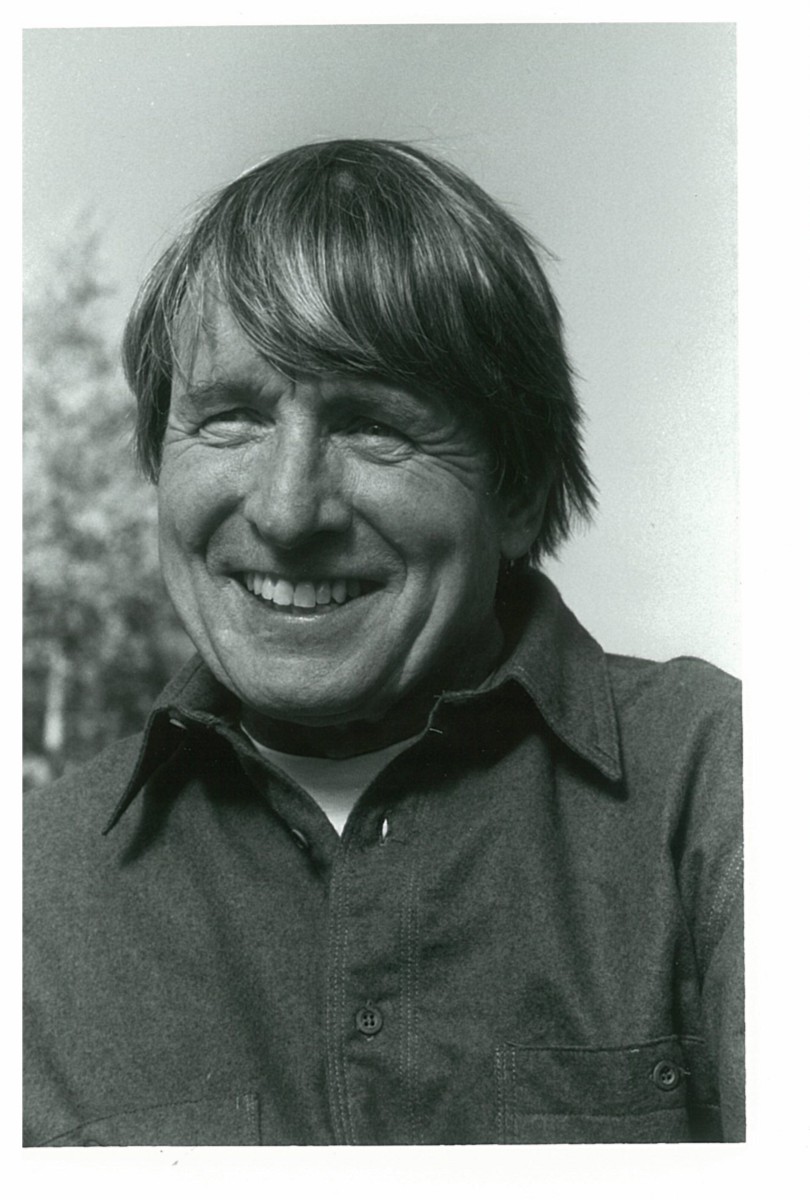
Alice Cooper as Presidential Candidate

Some may recall this bit of satire from the band 43 years ago — tricky Dicky was of course President. In the UK we had the perennial Screaming Lord Sutch, founder of the Official Monster Raving Loony Party taking the piss. The point is that perhaps it shouldn’t surprise one that that otherwise intelligent people of all political persuasions…

Can you really upload your mind?

Radio discussion on ABC’s The Philosopher’s Zone Self/less— a film currently doing the rounds—entertains the idea of digital immortality. It might be a work of science fiction but what it portrays is gaining serious traction in the real world. A number of philosophers, neuroscientists, and assorted futurists believe that by mid century a safe form…