Latest issue of C+T
Website classical liberalismcomplexitycosmos + taxis
Website classical liberalismcomplexitycosmos + taxis
I’ve just learnt of the death of Herb Gintis. Here is an obituary. I’d met him at a San Diego meeting of the Society for the Advancement of Behavioral Economics in 2010. Lovely and interesting man. Behavioral economicscomplexityHerbert Gintis
Barry Smith (and coauthor) has an about-to-be published book. Artificial intelligenceBarry SmithcomplexityPhilosophy of mind

I’m chuffed to learn of my collaborator Ted Lewis’ recognition — see here. Very much taken by his superb Network Science: Theory and Applications I made contact. Our shared interest in stigmergy found voice in a couple of joint projects: Human-Human Stigmergy and Stigmergy in the Human Domain. I was privileged to read a draft…
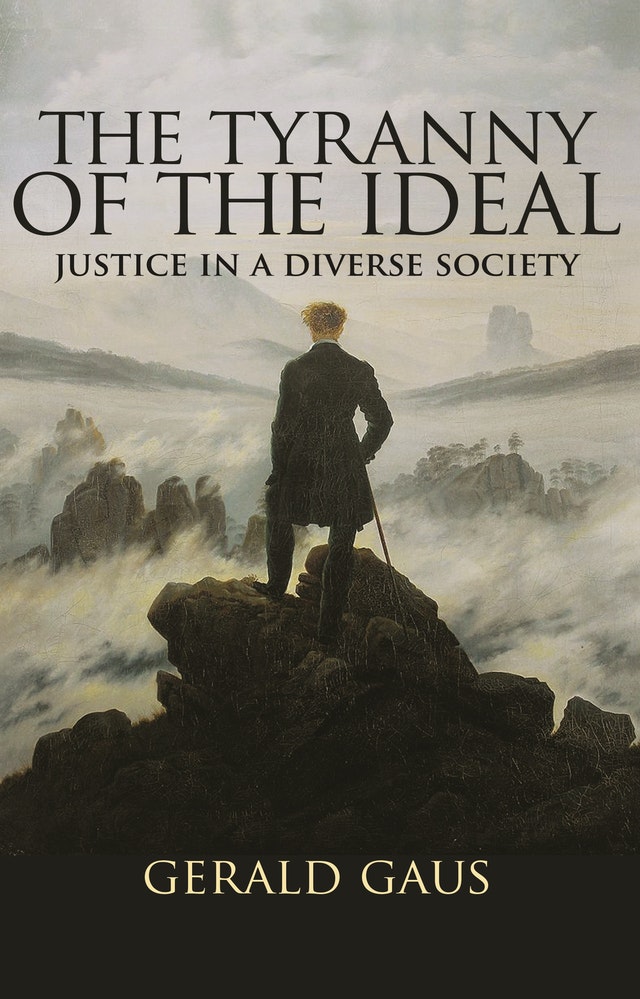
I have been informed that Jerry Gaus has a new book to be posthumously published by OUP next year. Here he is discussing some of the book’s ideas. classical liberalismcomplexityGerald Gausopen systems

The fifteenth in a series of excerpts from Minds, Models and Milieux: Commemorating the Centennial of the Birth of Herbert Simon. Peter E. Earl One of the great tragedies in economics in the decades since Simon received the 1978 Alfred Nobel Memorial Prize in Economic Sciences is that the uptake of his ideas within the discipline…
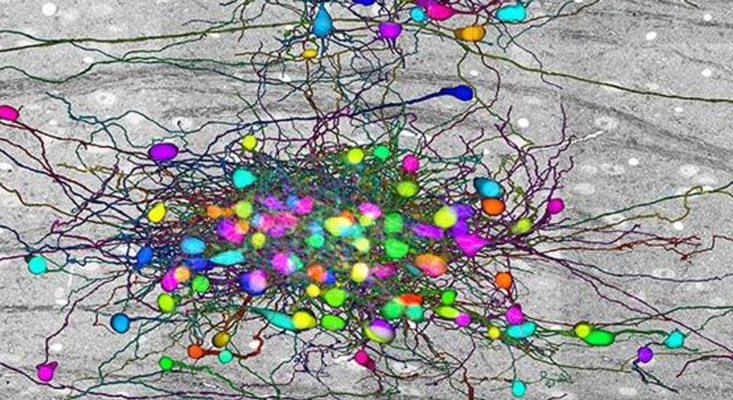
Hayek already wrote in The Sensory Order (1952) that “An apparatus of classification cannot explain anything more complex than itself” and that “The whole idea of the mind explaining itself is a logical contradiction’’. Hayek takes this incompleteness — the constitutional inability of mind to explain itself — to be a generalized case of Gödel’s Incompleteness Theorem. See…
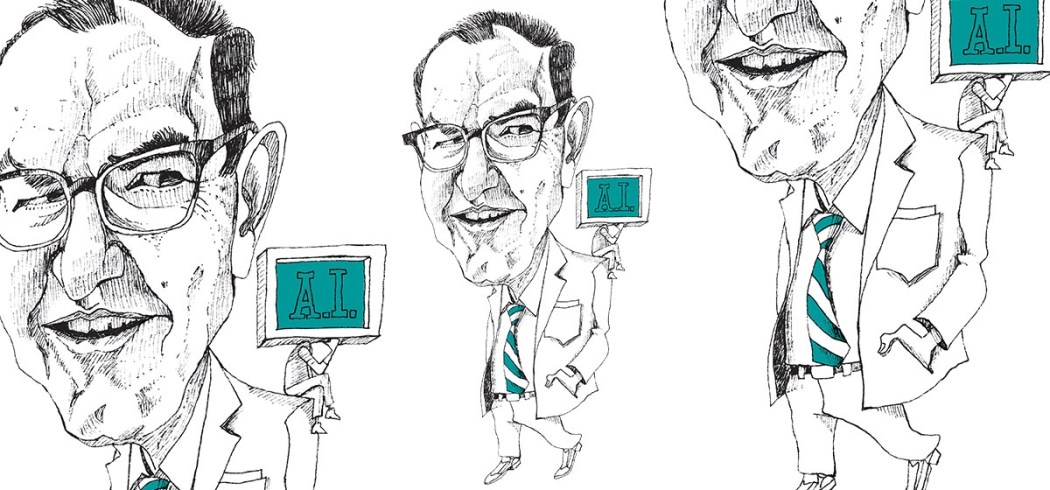
James H. Morris in the Pittsburgh Quarterly Magazine. Artificial intelligencecomplexitycomputational intelligenceDaniel KahnemanHerbert Simon
The ninth in a series of excerpts from Minds, Models and Milieux: Commemorating the Centennial of the Birth of Herbert Simon. Fernand Gobet Introduction Historically, a pervasive assumption in the social sciences, in particular economics, is that humans are perfect rational agents. Having full access to information and enjoying unlimited computational resources, they maximise utility when…
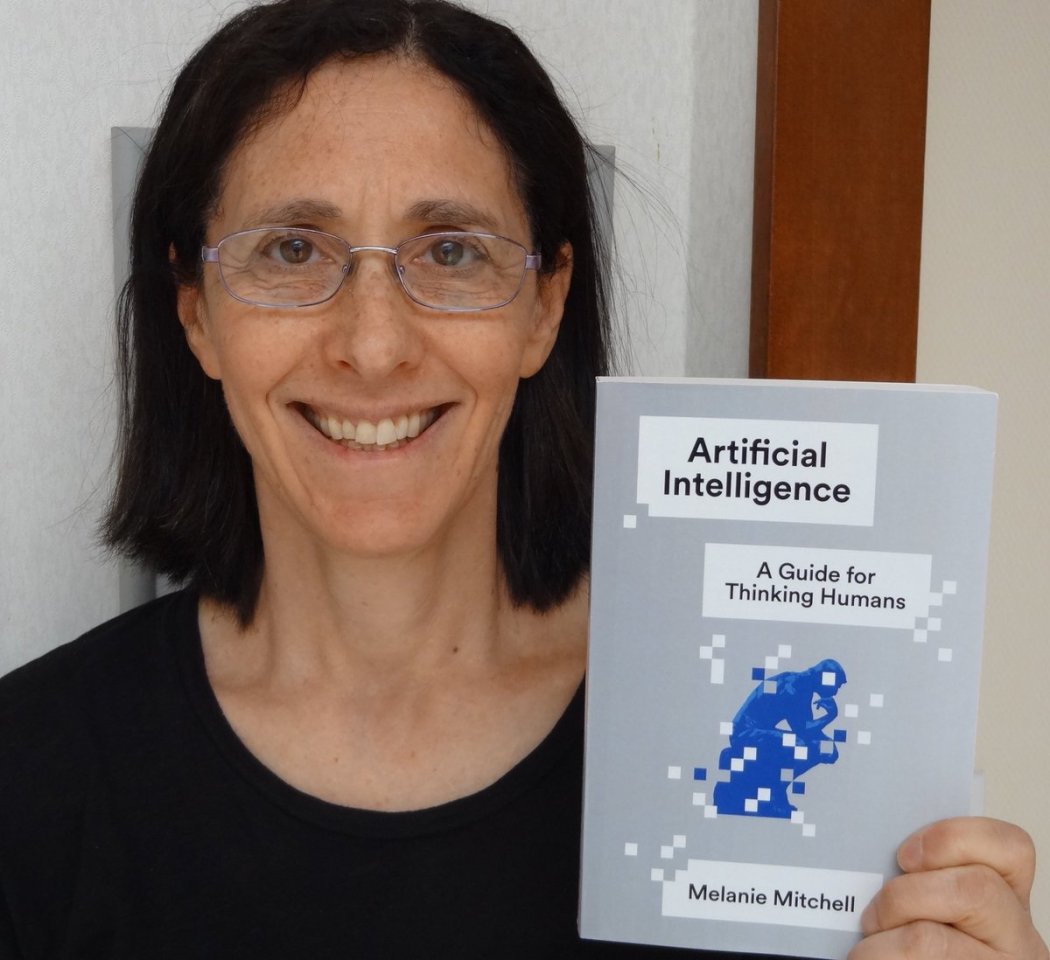
The very excellent Melanie Mitchell in conversation with Russ Roberts. complexitycomputational intelligenceconsciousnessMelanie MitchellPhilosophy of mindRuss Roberts
 manwithoutqualities