Browse by:

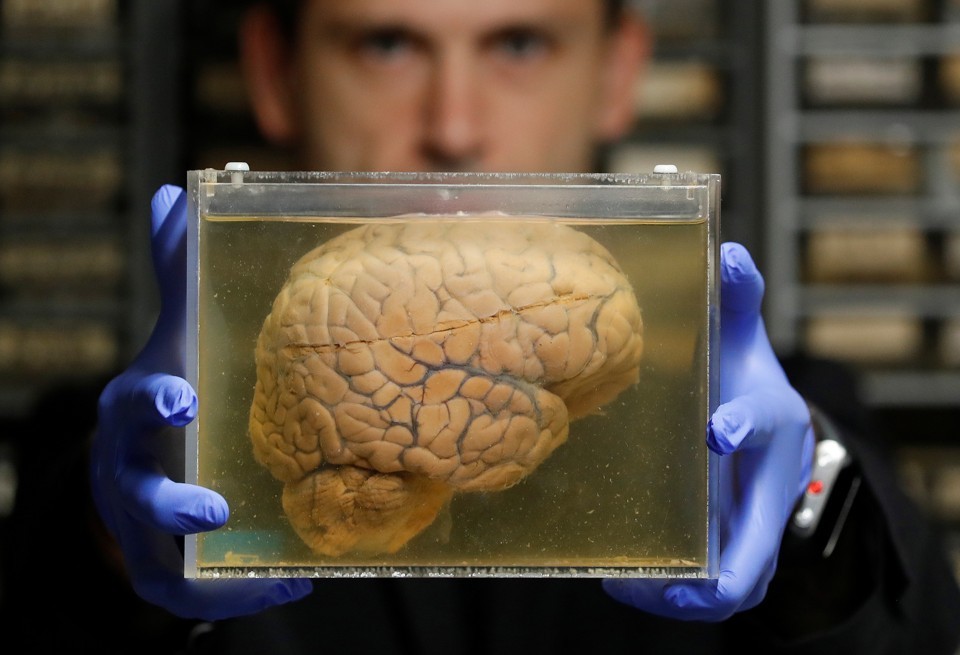
Why Philosophers Are Obsessed With Brains in Jars

An old philosophical chestnut discussed in The Atlantic. Words and concepts used by a brain in a vat can’t be meaningfully applied to real objects outside of the brain’s experience, because the ability to have causal interaction with the specific things that words name is inherently how such words acquire meaning, Putnam argued. Artificial intelligenceCognitive…
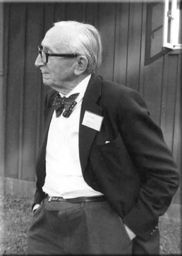
Hayek in Mind

Three sections: Neuroscience — Philosophy of Mind — Mind and Sociality Austrian SchoolCognitive scienceFriedrich HayekHayek in Mindneurosciencephilosophical psychologyPhilosophy of mind

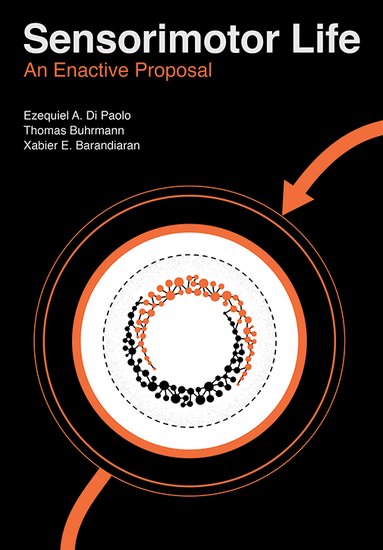
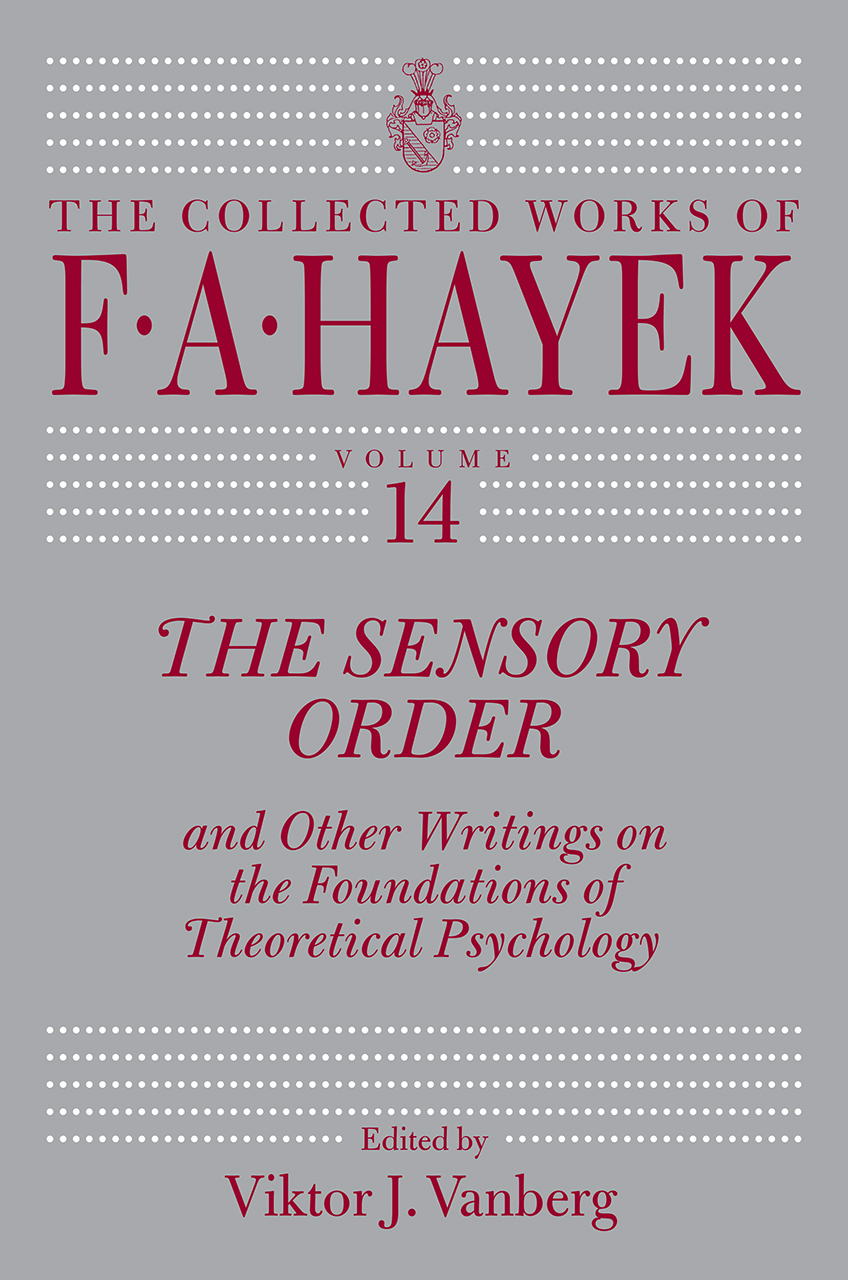
Reissue of Hayek’s The Sensory Order

The University of Chicago Press has alerted me that TSO is almost as good as here — so order now through the usual channels so as to not waste anytime in getting your hands on a copy. Cognitive neuroscienceCognitive scienceFriedrich Hayekphilosophical psychologyPhilosophy of mindSensory Orderviktor vanberg

Hayek: Cognitive Scientist Avant la Lettre

From Advances in Austrian Economics PROLOGUE It is probably no more justified to claim that thinking man has created his culture than that culture created his reason (Hayek, 1952/1979, p. 155). For Hayek, intelligence is manifest through a reciprocal coalition with the artifactual (social and physical), a causal integration that can take ontogenetic, phylogenetic, individual,…

Hubert Dreyfus

Obit here. Reports of my demise are not exaggerated. — Hubert Dreyfus (@hubertdreyfus) April 22, 2017 AICognitive sciencedistributed cognitionEmbodied cognitive scienceexistentialismHubert DreyfusMartin HeideggerphenomenologyPhilosophy of mindsituated cognition

Cognitive and emotional demands of black humour processing: the role of intelligence, aggressiveness and mood

This in Cognitive Processing. A total of 156 adults rated black humour cartoons and conducted measurements of verbal and nonverbal intelligence, mood disturbance and aggressiveness. Cluster analysis yields three groups comprising following properties: (1) moderate black humour preference and moderate comprehension; average nonverbal and verbal intelligence; low mood disturbance and moderate aggressiveness; (2) low black…

Daniel Dennett’s Science of the Soul

Long write-up in The New Yorker Dennett does not believe that we are “mere things.” He thinks that we have souls, but he is certain that those souls can be explained by science. Andy ClarkCognitive scienceDaniel DennettDavid ChalmersdualismGilbert RyleMaterialismneural correlatesNeurophilosophyneurosciencePhilosophy of mindquineReligion