Browse by:

A DANSE MACABRE OF WANTS AND SATISFACTIONS

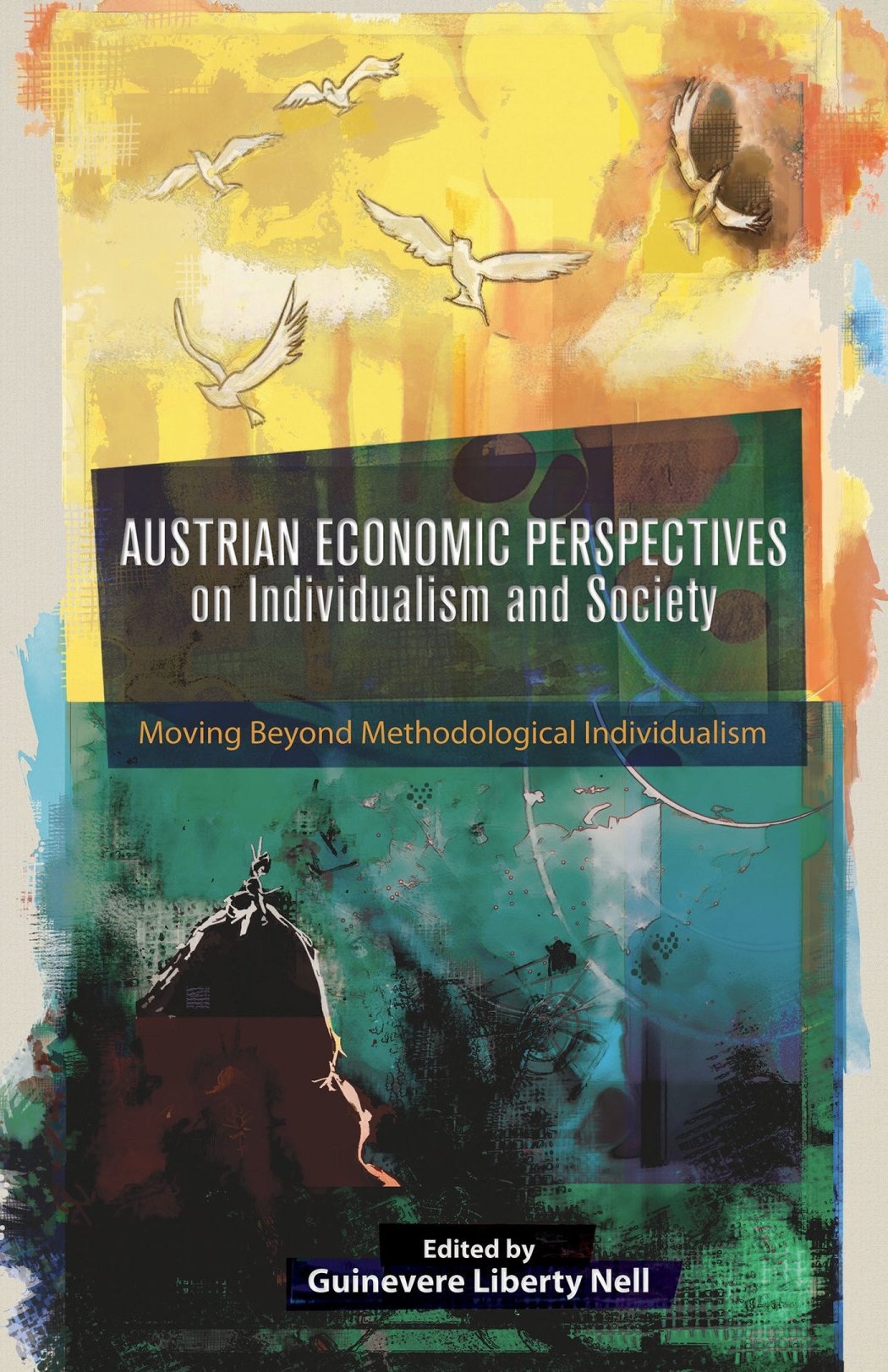
In Austrian Economic Perspectives on Individualism and Society: Moving Beyond Methodological Individualism In this chapter our aim is to rescue the meaning of liberty from the ministrations of its misguided friends and explore how it relates to human nature, culture, and economic order. Some Austrian economists have embraced liberty as the sole value. Despite the…
The World of Yesterday

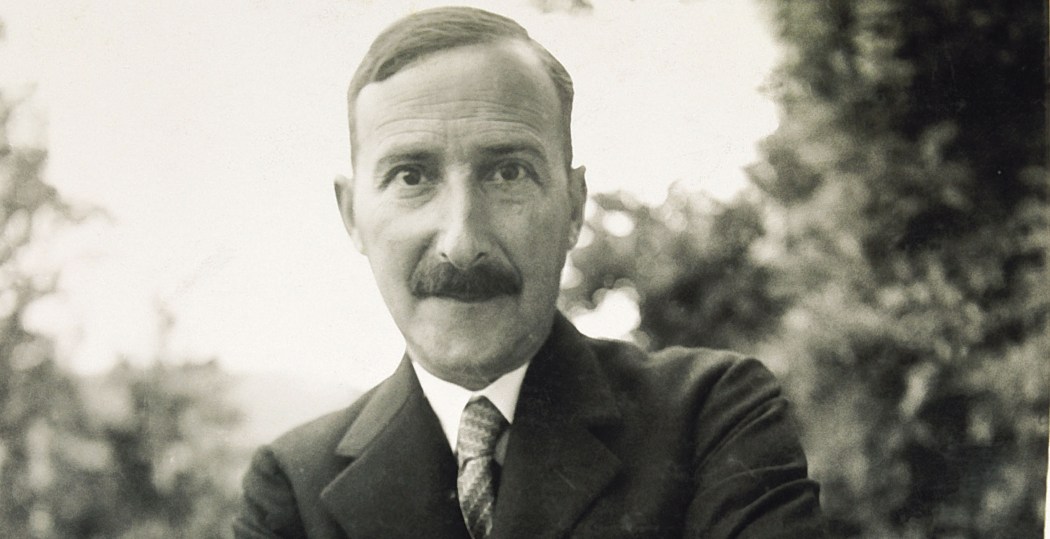
“The greatest curse brought down on us by technology is that it prevents us from escaping the present even for a brief time. Previous generations could retreat into solitude and seclusion when disaster struck; it was our fate to be aware of everything catastrophic happening everywhere in the world at the hour and the second…

Philosophy of markets

The very excellent Lisa Herzog interviewed here. H/T to Eric Schliesser. The cliché is that Smith is a “negative liberty” guy and Hegel a “positive liberty” guy. In fact, both have very nuanced accounts of how different dimensions of freedom are realized in a modern society; the freedom to do what you want with your property…

On Human Conduct

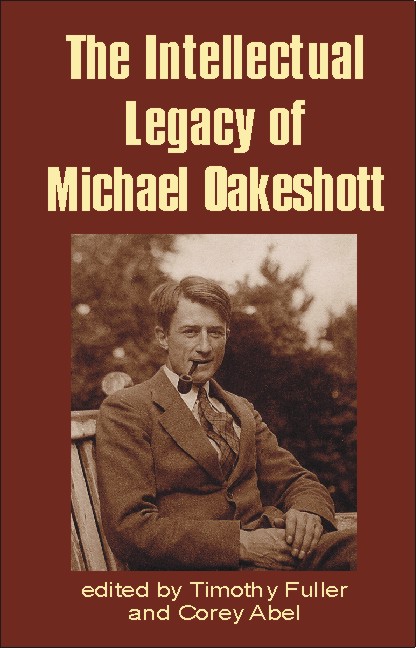
It’s been 40 years since one of Oakeshott’s masterpieces, On Human Conduct, was published. Despite being an “old man’s” book, dense and highly qualified, it contains some of the most melliflous writing Oakeshott ever did. Religious faith is the evocation of a sentiment (the love, the glory, or the honour of God, for example, or even…

Ryle and Oakeshott on the “Knowing-How/Knowing-That” Distinction

According to Robert Grant, Oakeshott only ever communicated with two “official” philosophers, one of which was Ryle:  Oakeshott warmly introduced Ryle, who delivered the annual August Comte Memorial Lecture at the LSE. John. D. Mabbott who read the proofs for On Human Conduct had, years earlier, been the first to recognize Oakeshott’s KH/KT connection with Ryle in his…

Constructivism and Relativism in Oakeshott

This chapter highlights a troubling tension within the philosophy of Michael Oakeshott. The relativistic stance that informs his radical constructivism gives license to socio-political conclusions we know Oakeshott could not possibly accept. constructivismLiberal educationLiberalismMichael OakeshottPolitical philosophyScientismsocial epistemologysociology of knowledgesociology of scientific knowledge