Intelligence May Not Be Computable
My sometime collaborator, Ted Lewis, has co-authored this piece in American Scientist. AIcomputational intelligenceconsciousnessMachine learningneurosciencePhilosophy of mindTed Lewis

My sometime collaborator, Ted Lewis, has co-authored this piece in American Scientist. AIcomputational intelligenceconsciousnessMachine learningneurosciencePhilosophy of mindTed Lewis
Featuring three reviews that I commissioned. biophilosophychessCognitive scienceconsciousnessdavid livingstone smithEmbodied cognitionFernand Gobetjournal of mind and behaviorPhilosophy of mind
The aim of this chapter is to propose an account of sensory perception from the known writings of Adam Smith, chiefly his juvenile work, “On the External Senses.” This account asserts that when we perceive an object we simulate its painful or pleasurable effects on our body—we imaginatively place ourselves in proximity to the object and…
Cognitive neuroscience is in the midst of what has been called an “affective revolution,” which places empathy at the center of a core set of moral competencies. While empathy has not been without its critics (Bloom, 2013; Prinz, 2011), both the radicals and the reactionaries routinely cite Adam Smith’s The Theory of Moral Sentiments (TMS)…
Due in January of 2020. For more on Evan’s work see his website. There are conferences, courses, and celebrities promoting the notion that Buddhism is spirituality for the rational; compatible with cutting-edge science; indeed, “a science of the mind.” In this provocative book, Evan Thompson argues that this representation of Buddhism is false. BuddhismconsciousnessEmbodied cognitive…
The Harris-Kahneman chat is here. Below is my entry for Kahneman in Real World Decision Making: An Encyclopedia of Behavioral Economics. Amos TverskyBehavioral economicsCognitive scienceconsciousnessDaniel KahnemanPsychologysam harris
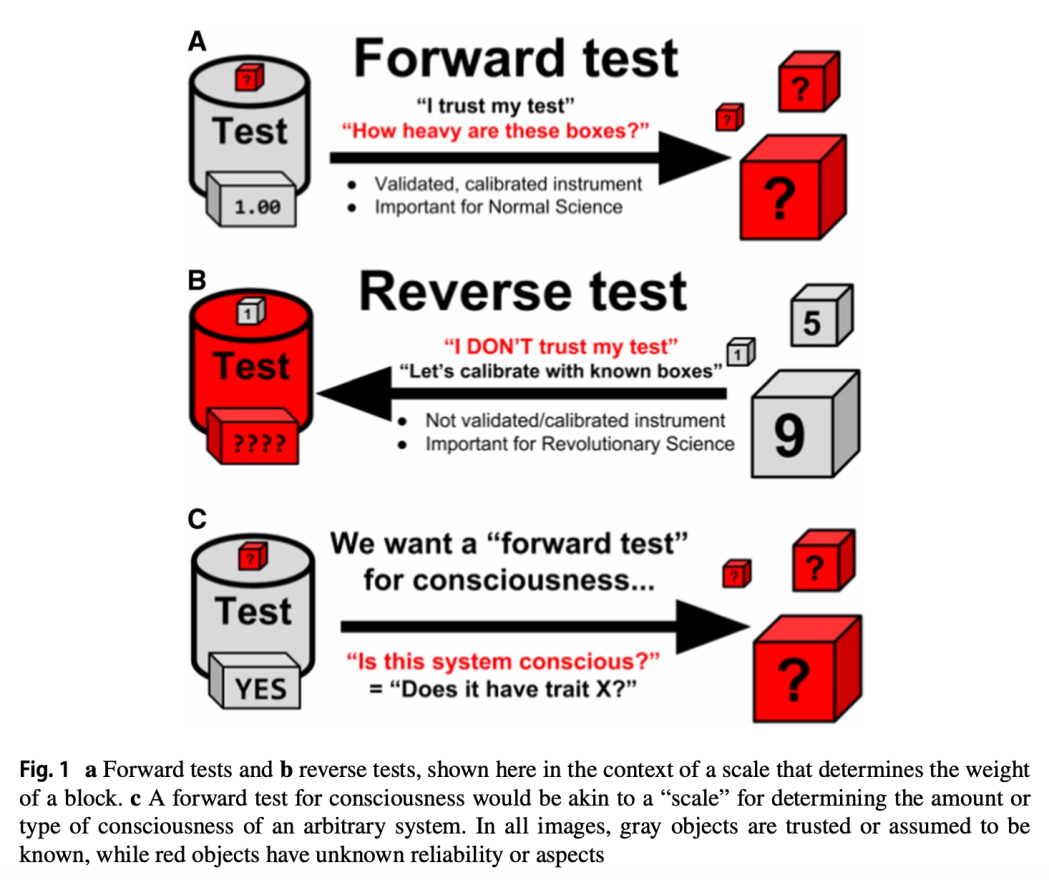
This in Synthese freely available here. We introduce the Ant Colony Test (ACT) as a rigorous reverse test for consciousness. We show that social insect colonies, though disaggregated collectives, fulfill many of the prerequisites for conscious awareness met by humans and honey bee workers. However only a small fraction of neurons in the brain might be…
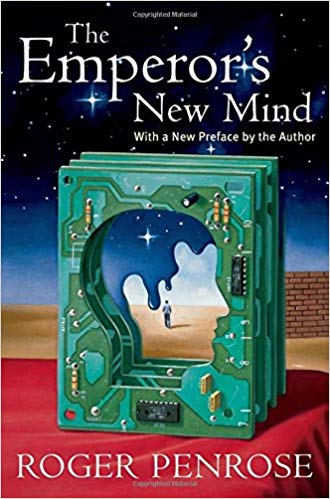
I highly recommend Penrose’s classic The Emperor’s New Mind and the follow-up Shadows of the Mind: A Search for the Missing Science of Consciousness. I had the pleasure of meeting Penrose via an Imperial-based collaborator/chum of mine at an Imperial College lecture soon after the release of TENM. It’s quite extraordinary that Rogan as the proverbial geezer on…
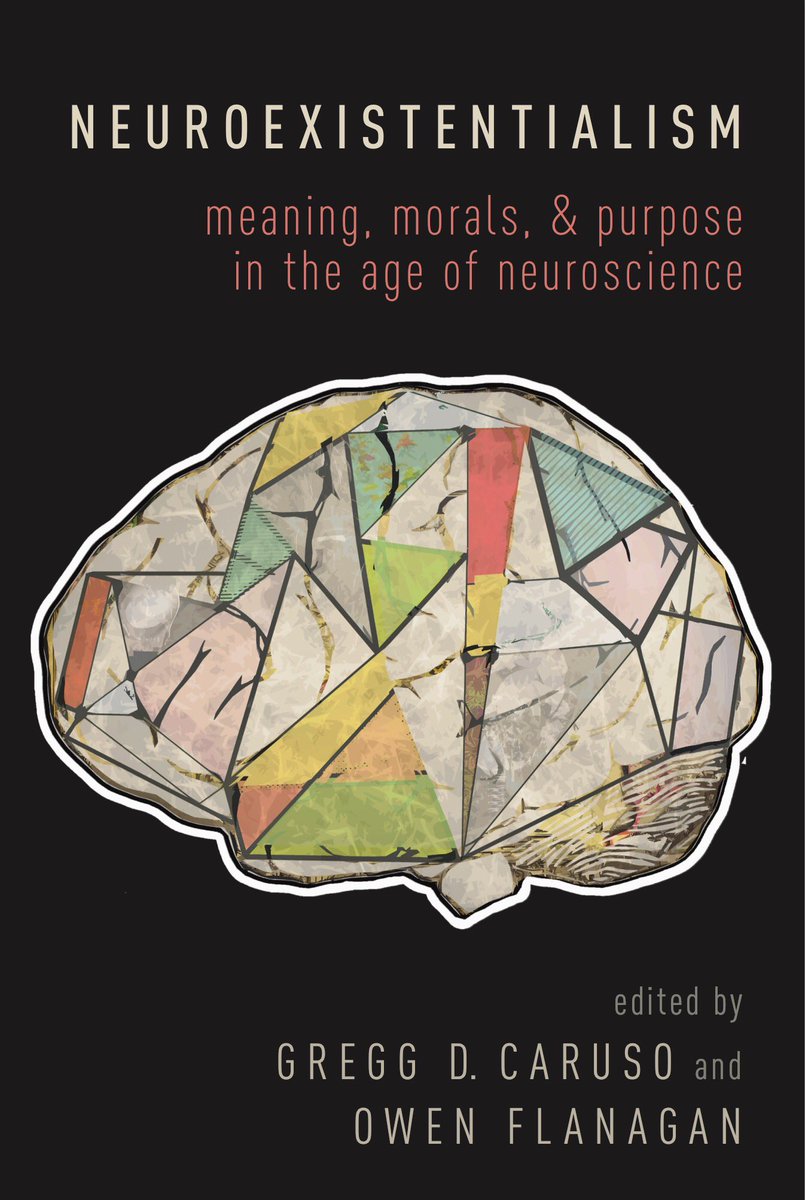
Recently released. autonomyconsciousnessEmotionFree willmeaningmoralsNeuroexistentialismneuroscienceowen flanaganphilosophical psychologyPhilosophy of mindpurposeselfhood
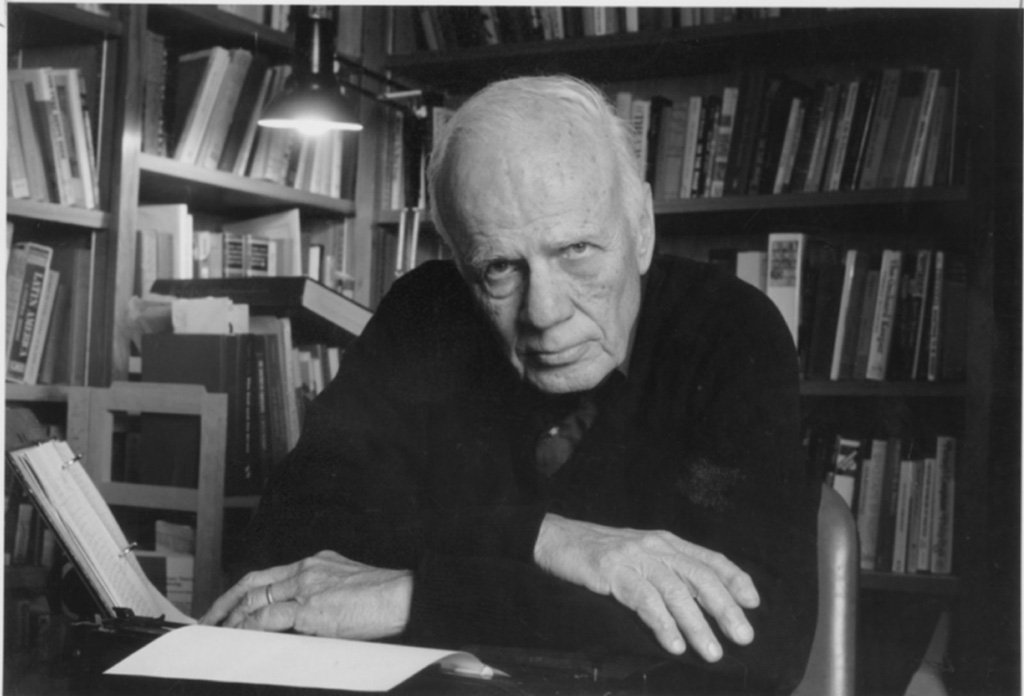
What has this to do with existentialism? We will pass over the epistemological consequences of symbolic knowing, the possession of the thing by the symbol rather than adaptation by signal-a knowing which is indeed existential in the broad sense of knowing something by being something-and go at once to the more typical existentialia. The recognition…
 manwithoutqualities